In short
- A payment arrangement can suit a viable company that can repay the full tax debt and current obligations.
- SBR considers the company’s wider creditor position, not just the ATO balance.
- Neither path should be based on payments the business cannot sustain.
The numbers at a glance
- $35.9bn
- Small-business collectable tax debt in 2024–25Source: ANAO Report No.45 2025–26
- 1,338,387
- Small businesses carrying collectable tax debt in 2024–25Source: ANAO Report No.45 2025–26
- $26,797
- Average collectable tax debt per indebted small businessSource: ANAO Report No.45 2025–26
How an ATO payment arrangement works
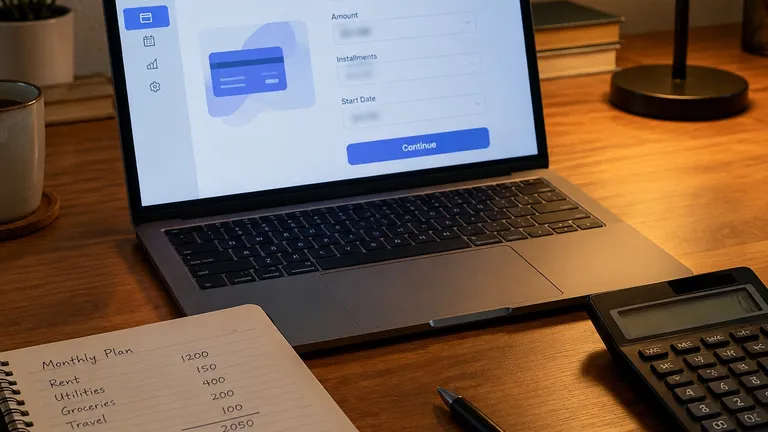
A payment arrangement allows eligible tax liabilities to be paid in instalments. The company remains responsible for the debt, and interest or other charges may continue under the applicable rules. New BAS and other obligations still need to be met as they fall due.
This can be a practical answer where arrears are manageable, cash flow is predictable and the default risk is low. The arrangement should be tested against the company’s full cash-flow forecast, including suppliers, wages, rent and finance.
How small business restructuring works
SBR is a formal insolvency process under the Corporations Act. An eligible company appoints a registered liquidator as restructuring practitioner. Directors remain in control while a plan is developed and put to creditors.
If the required majority accepts, the company makes the payments required by the plan and covered debts are dealt with according to its terms. There is no standard guaranteed discount, and creditors may reject a proposal.
Compare the practical differences
The right option depends on the whole company, not simply which approach has the lower next payment.
Side-by-side comparison
Scroll sideways to see all columns.
| Question | ATO payment arrangement | Small business restructuring |
|---|---|---|
| Is the full tax debt retained? | Generally yes | Covered debt may be compromised if the plan is accepted |
| Who decides? | The ATO considers the arrangement | Affected creditors vote on the plan |
| Are other creditors included? | No, separate arrangements may be needed | The plan can address covered company debts |
| Is it a formal insolvency appointment? | No | Yes, with a registered restructuring practitioner |
| Do directors stay in control? | Yes | Yes, subject to the practitioner’s statutory role |
| Is approval guaranteed? | No | No |
When a payment arrangement may be more suitable
- The company can repay the full debt within a reasonable period.
- Current tax, wages, super and supplier obligations can be paid on time.
- The arrears resulted from a temporary event rather than continuing losses.
- Other creditor debts are under control and no broader compromise is needed.
When SBR may be worth investigating
- The company cannot realistically repay historic debts in full.
- There are several creditors, not only the ATO, and a coordinated proposal is needed.
- The underlying business can trade viably once historic debt is addressed.
- The company meets the liability, director-history, employee-entitlement and lodgement requirements.
- There is a credible way to fund a plan that offers creditors a fair outcome.
Take the next step
This guide is general information. Your company’s debts, records and cash flow need to be assessed before choosing a course of action.
Compare your ATO debt optionsOfficial sources and further reading
Published 18 November 2026. General information only, not legal, tax or financial advice. Laws, regulator guidance and your circumstances can change the appropriate response.